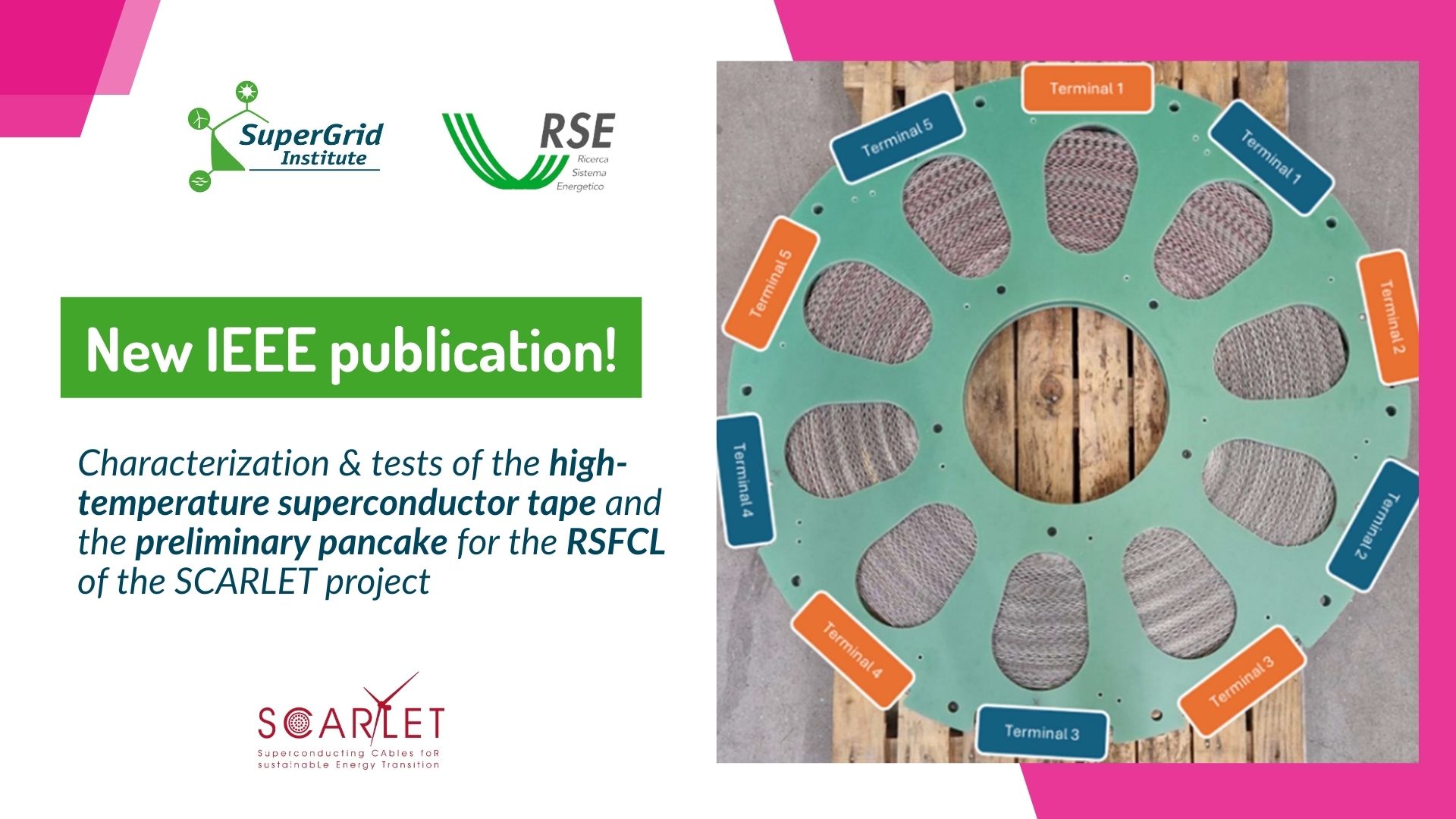
New publication on system protection
Resistive superconducting fault current limiters (RSFCL) are a promising solution for the protection of medium- and high-voltage DC and AC power links. They are particularly needed if superconducting power cables are integrated into the DC grid to ease the design requirements of the electrical system. Within the SCARLET project, this solution is studied for the […]
Read more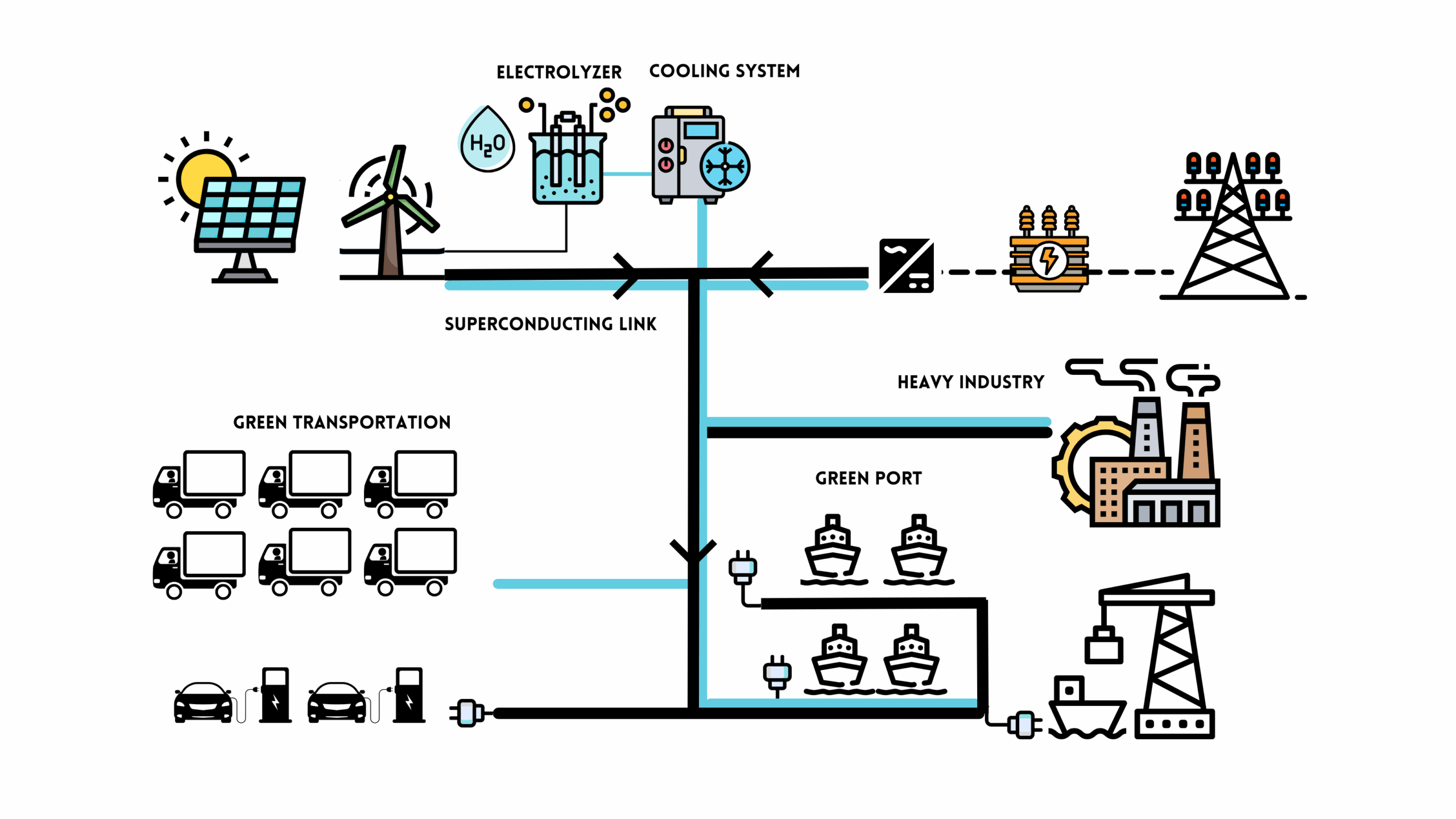
SCARLET contributes to new Roadmap
A comprehensive Roadmap on superconducting high-power cables and lines was recently published in the journal Superconductor Science and Technology, encompassing 19 chapters that provide the current development status. As this technology is rapidly moving into practical deployment, important applications were developed for electric grids, data centres, aviation and high-current industry bus bars. The Roadmap summarizes […]
Read more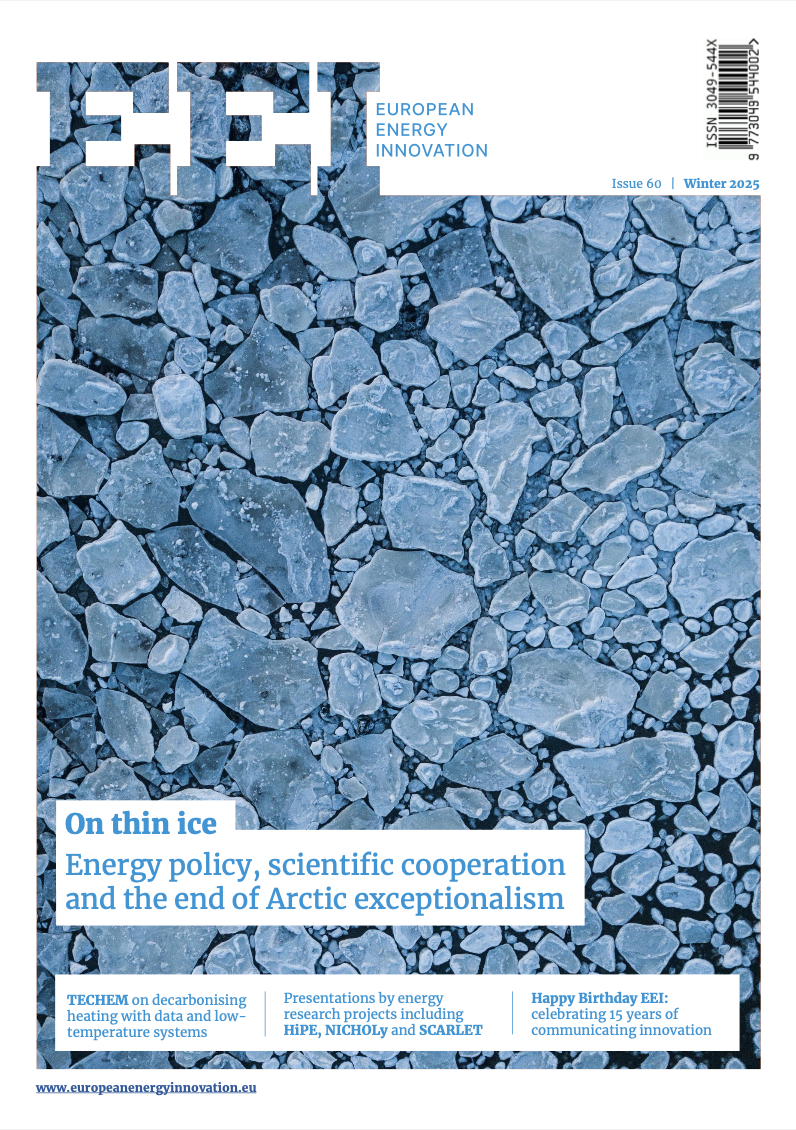
SCARLET in EEI Magazine
SCARLET was featured in the Winter issue of the European Energy Innovation Magazine. The one-page article highlighted the main technological innovations developed in the project as well as key results achieved so far. It was featured in both the print and digital editions of the magazine and on the website. The European Energy Innovation Magazine […]
Read more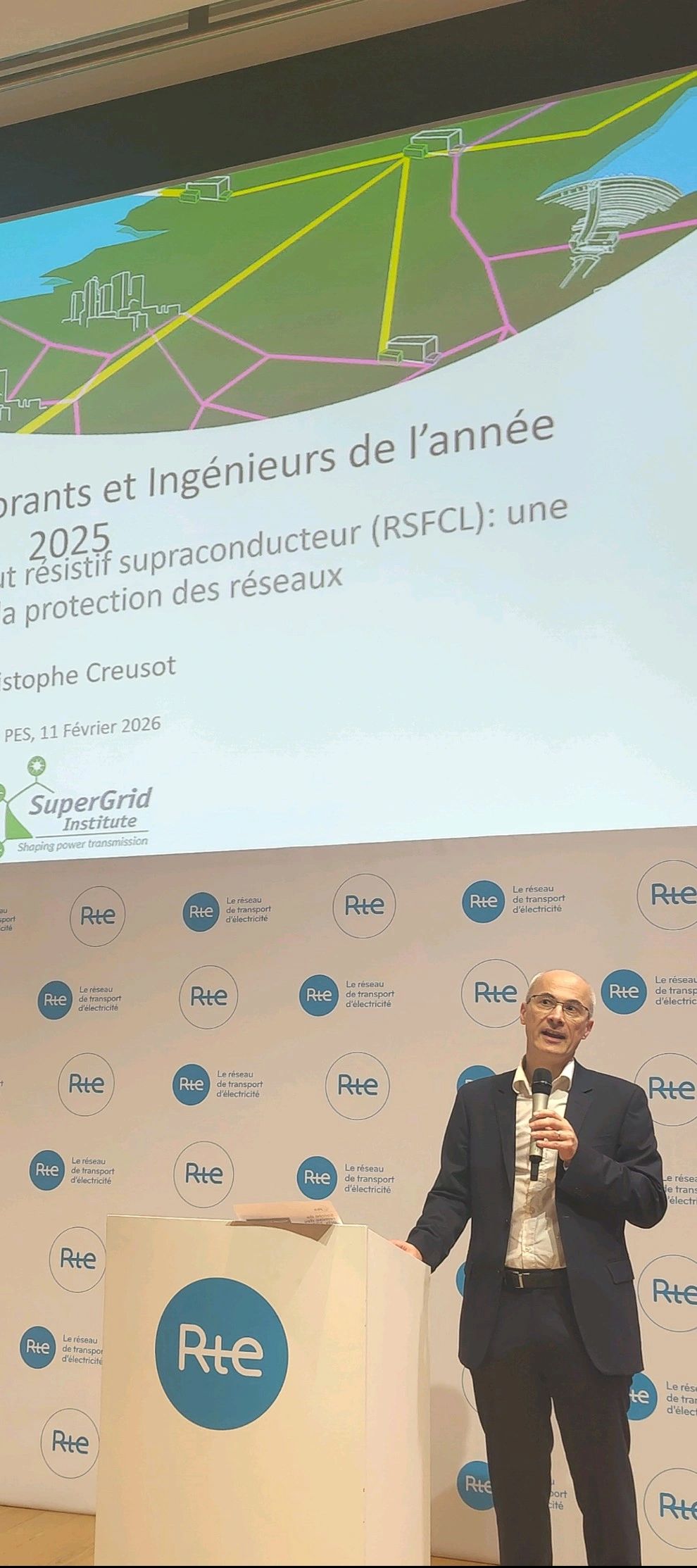
IEEE Award for Christophe Creusot
SCARLET’s Christophe Creusot won the “Engineer of the Year” award from the IEEE Power and Energy Society France Chapter. This award specifically recognises Christophe’s work on high-voltage resistive superconducting fault current limiters (RSFCL) – work which led to a world first in 2024: limiting and eventually interrupting a prospective current of 43 kA under 50kV […]
Read more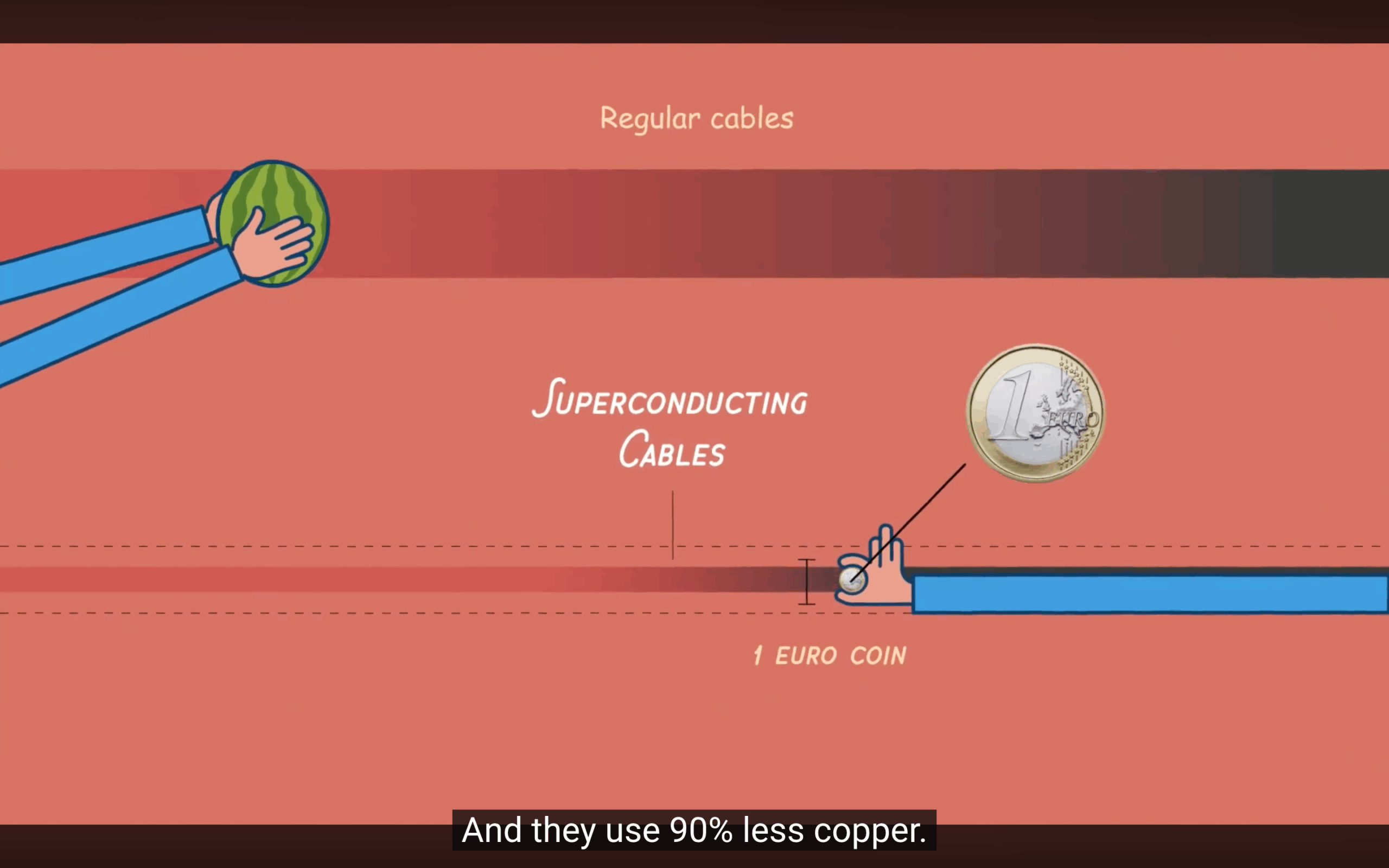
SCARLET video
Superconducting cables can transmit electricity with zero losses, use 90% less copper, and deliver gigawatt-level power in a much smaller footprint. This means they can help expand the grid faster, cheaper, and more sustainably. A new video showing how the partners in the SCARLET project are helping shape Europe’s electricity transmission was released this week. […]
Read more
SCARLET at Electrostatics 2025
SCARLET’s Luhan Zu presented his work on electrical insulation at cryogenic temperatures last week at the Electrostatics Conference in Bologna. His presentation was entitled “Influence of polypropylene content in PPLP for high voltage insulation at cryogenic temperature” and is part of a collaboration among ESPCI, Nexans and ASG Superconductors. This work explores how polypropylene ratios […]
Read more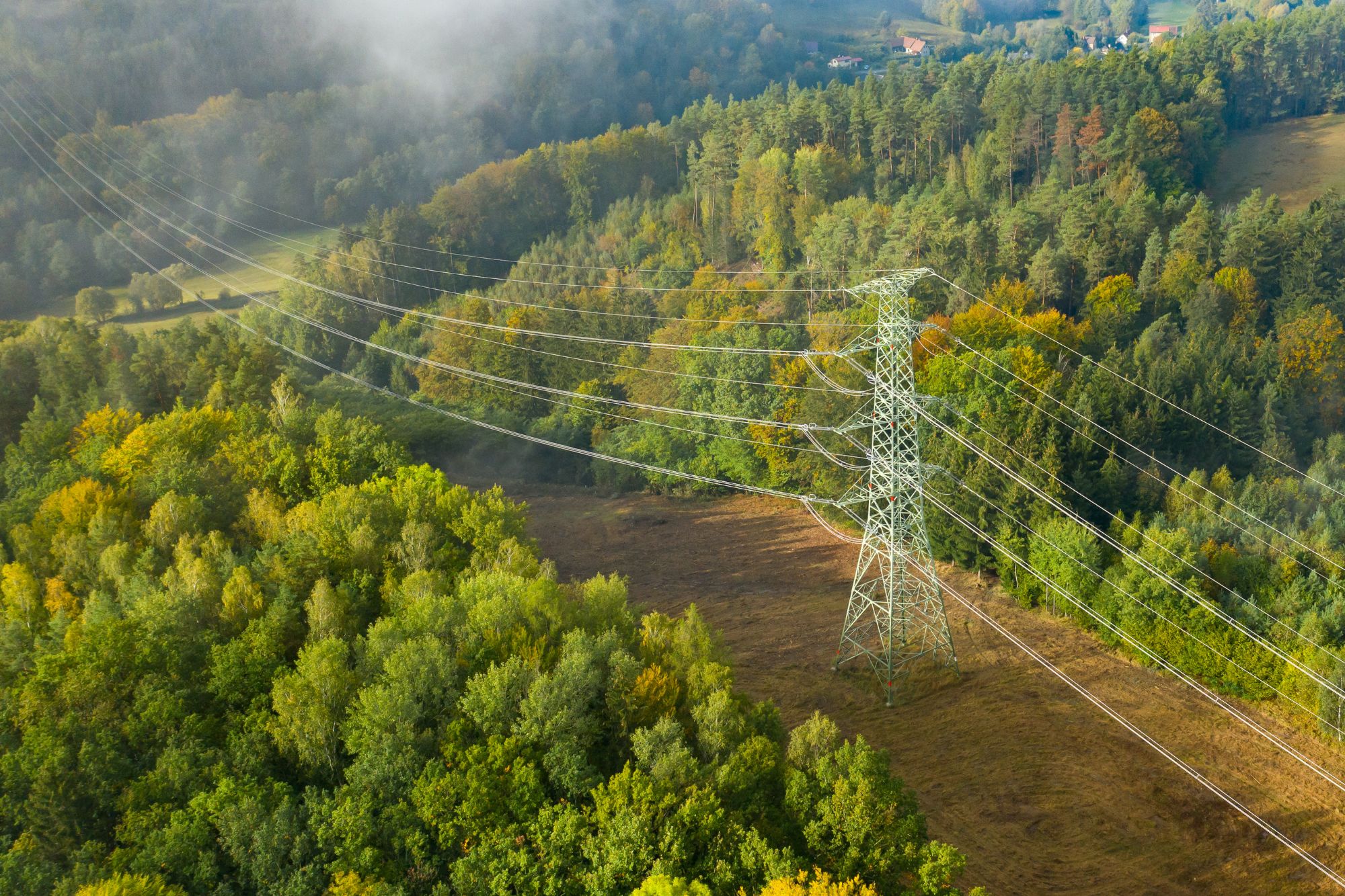
New Blog featuring SCARLET
A new blog entitled “How can we solve the power grid’s major land-use challenge?” was recently authored by SCARLET coordinator Marte Gammelsæter and published on the SINTEF website. The blog presents the challenges brought by the rapid increase in renewable energy and the grid expansion that comes along with it. It then highlights superconducting cables […]
Read more
SCARLET at Jicable HVDC’25
Next week SCARLET will be featured at the Jicable HVDC’25 symposium taking place in Torino, Italy. University of Bologna’s Mattia Simonazzi will present his work on “Grid integration of high-power MVDC superconducting cables based on HTS and MgB2” in a special session aimed at young researchers, after his paper was accepted by the Jicable technical […]
Read more
Join us for EUCAS 2025
The 17th European Conference on Applied Superconductivity (EUCAS) will take place in Porto, Portugal from September 21 to September 25. SCARLET will be featured in the following presentations: “Novel setup for measuring lapped insulation at cryogenic temperature” (1-MP-CT.8) on 22/09/2025 at 12:00-13:15 “Characterization and tests of the HTS tape and the preliminary pancake for the […]
Read more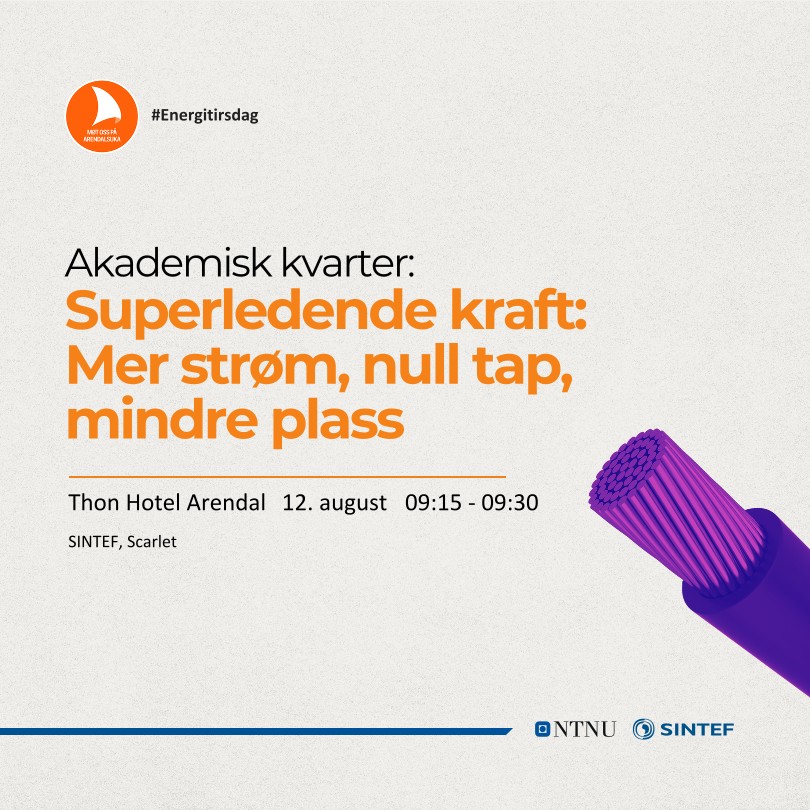
SCARLET at Arendalsuka
Next Tuesday SCARLET will be featured at the Arendalsuka, the largest political gathering in Norway, which was held annually since 2012. SCARLET coordinator Marte Gammelsæter will present the project and answer questions in the framework of Energy Tuesday, organized by SINTEF at the weeklong meeting. Her presentation is entitled “Superconducting power: More current, zero losses, […]
Read more